02 · Forensic Brain Image Classifier
N.S.S. FBIC
Shows a subject images and classifies each one as familiar or unfamiliar, from the brain's response and the eyes.
02 · The basis · Recognition
A familiar face is processed differently.
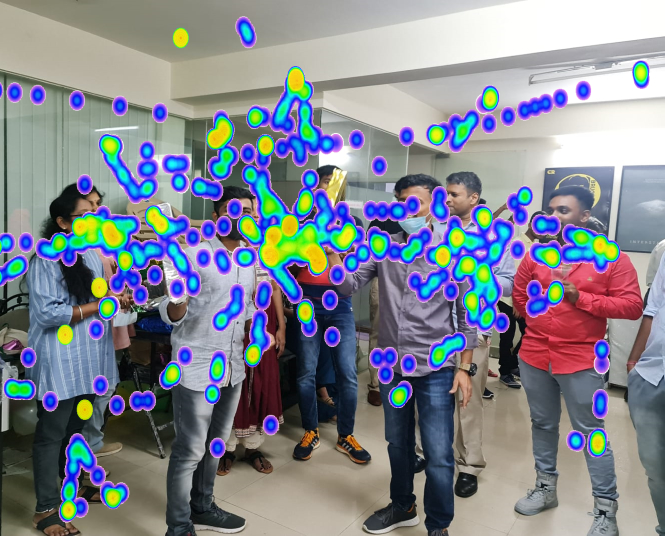
Recognition changes the brain's response to an image within a fraction of a second, and it changes where the eyes go, how long they stay and how the pupil reacts.
03 · Why images
Suspects know faces, not names.
A courier may never learn the real names of the people, places or vehicles in a network. Shown a picture, the brain answers anyway.
- 01PeopleCo-conspirators, buyers, suppliers
- 02PlacesSafe houses, routes, checkpoints
- 03ObjectsWeapons, vehicles, packages
04 · The test · About 30 minutes
Three kinds of image. One key per image.
Relevant, neutral and target images are mixed. The subject presses the left key for targets and the right key for everything else; the system reads the rest.
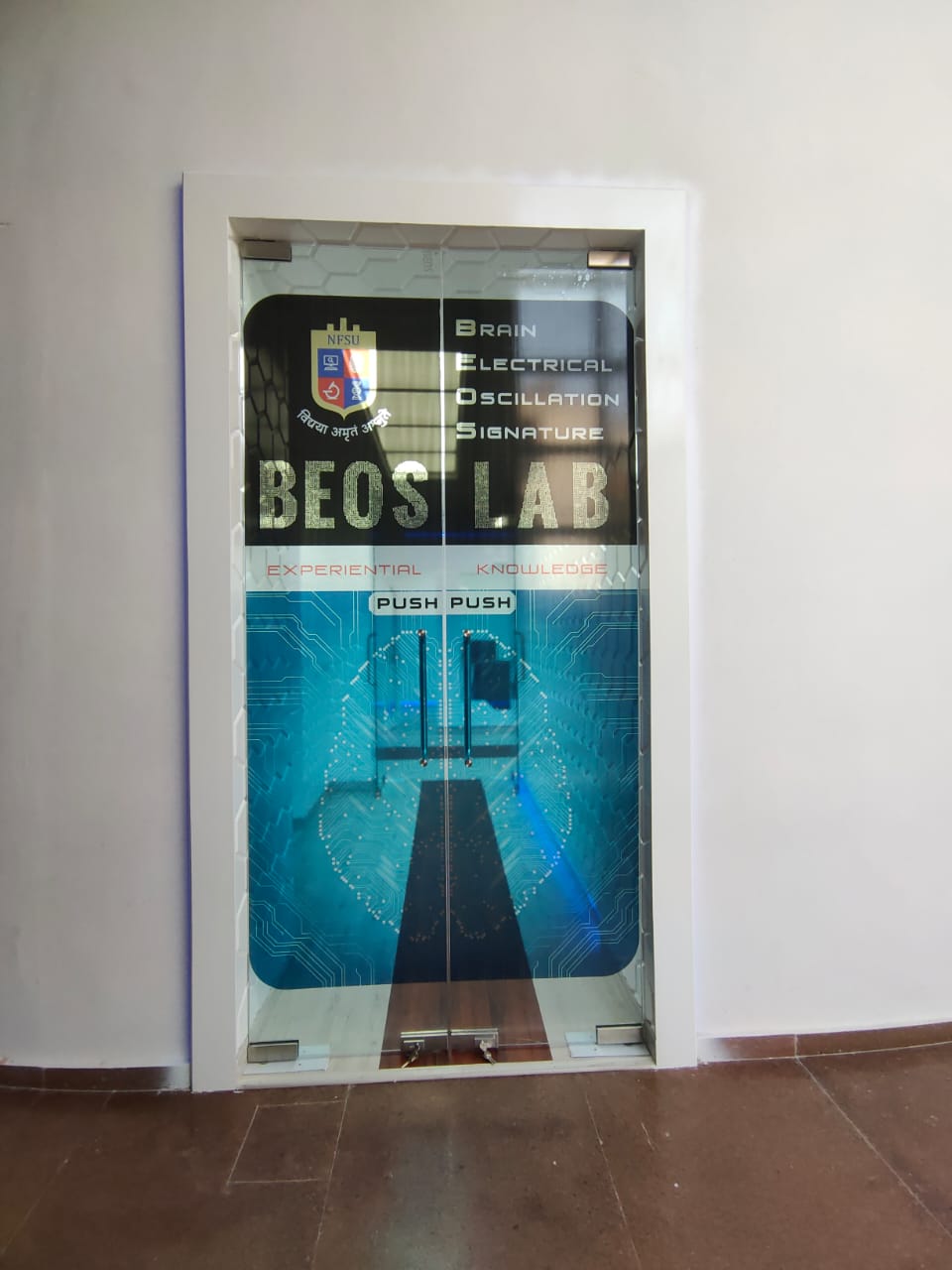
05 · The kit · Deploys in minutes
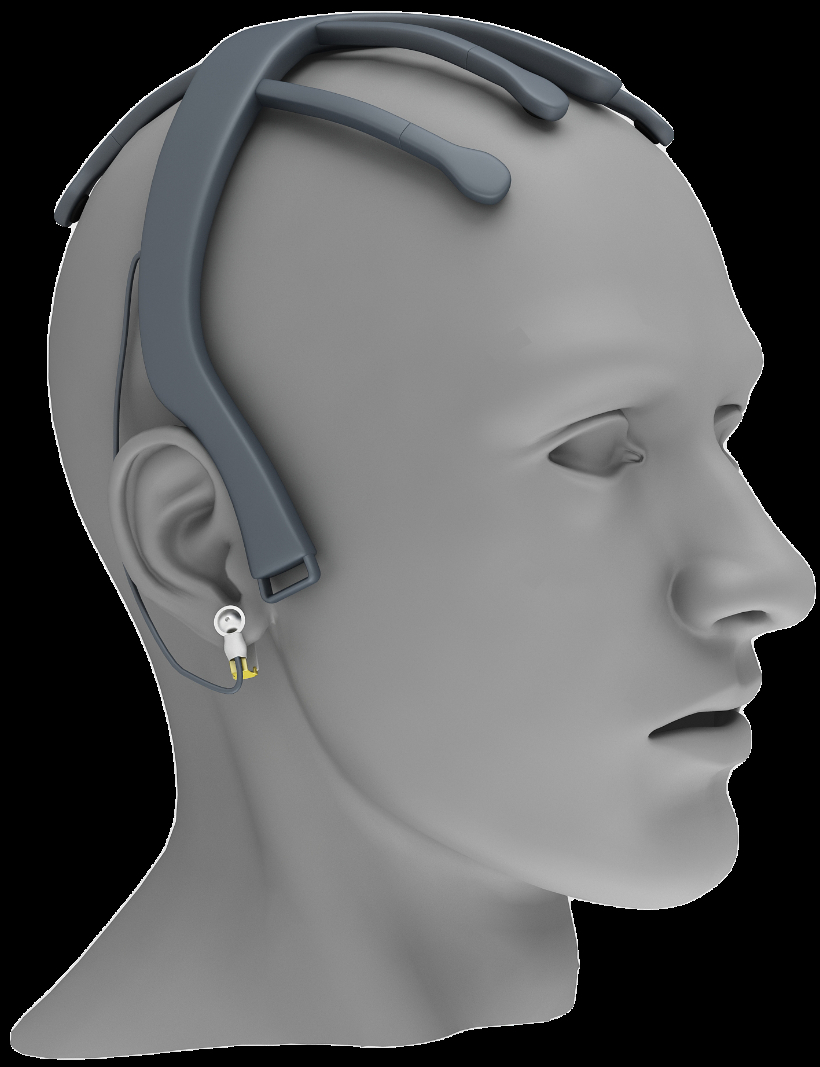
Fits in a carry case.
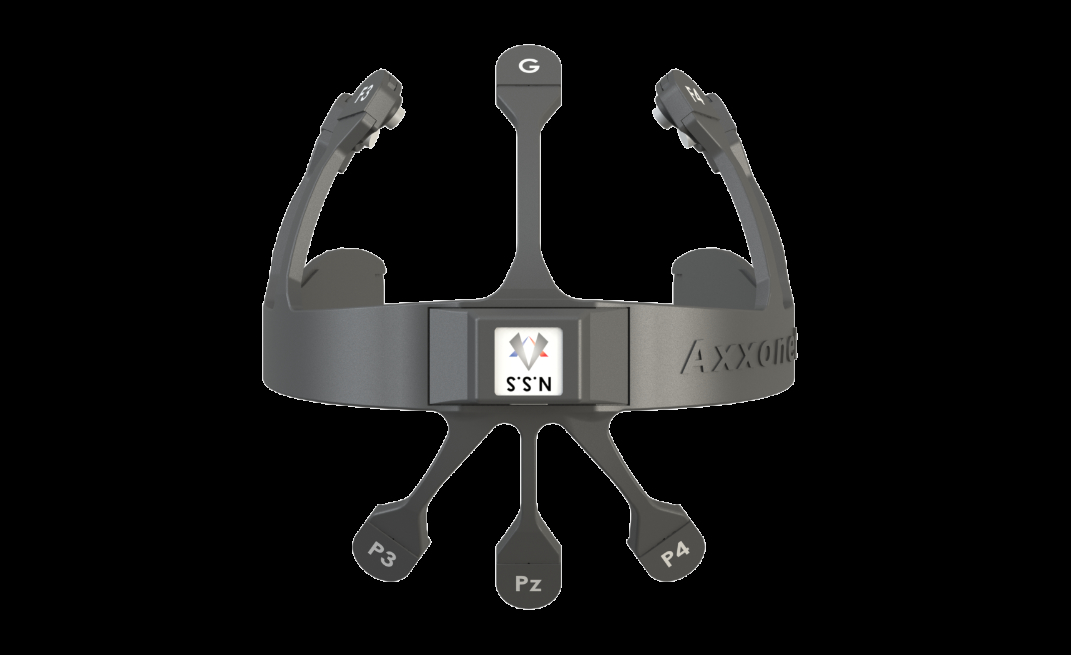
A non-gel multi-channel headset in several sizes, an eye tracker, a response keypad and the examiner's laptop. Field-ready, including border checkpoints.
06 · The lab · Test environment
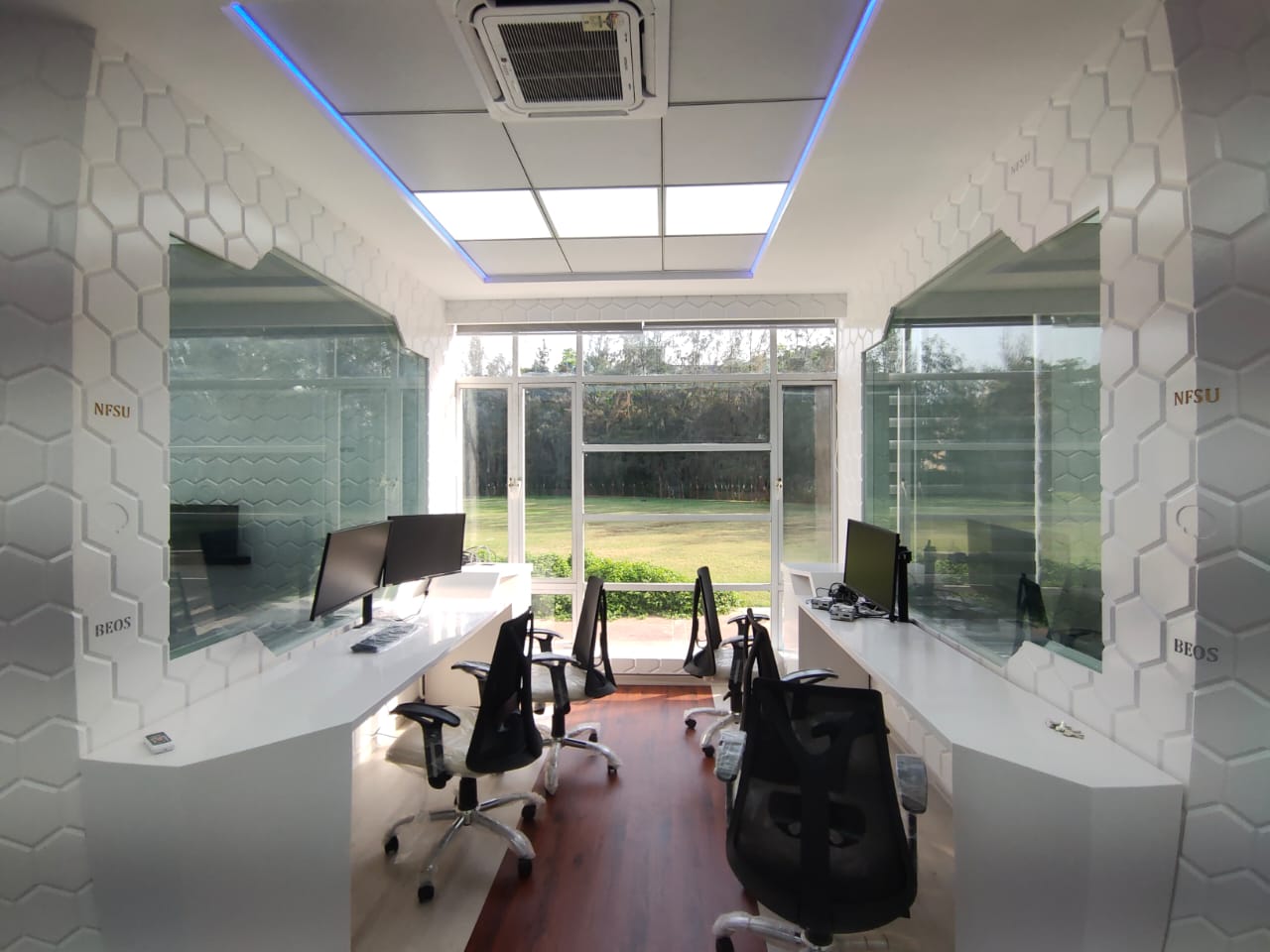
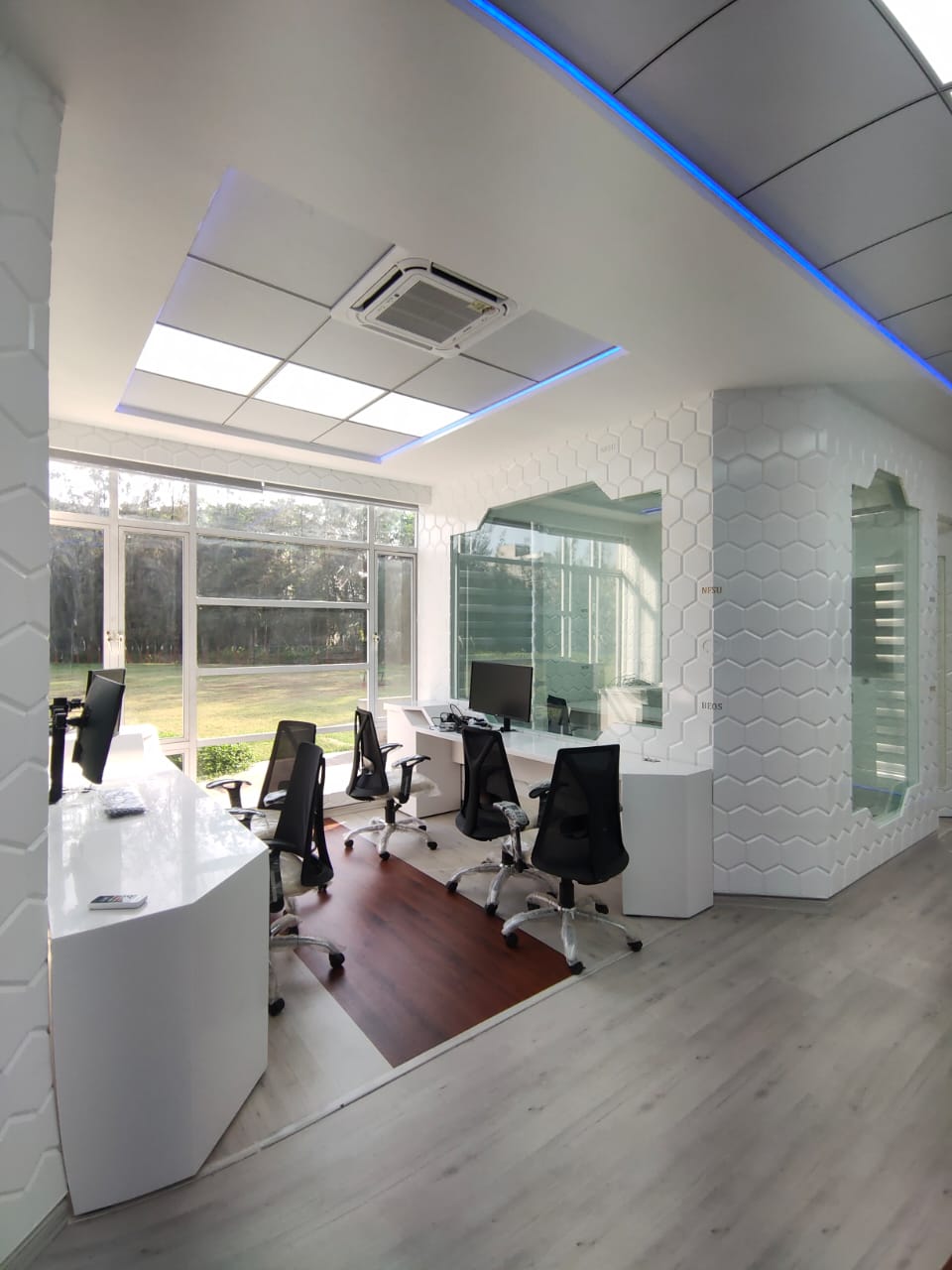
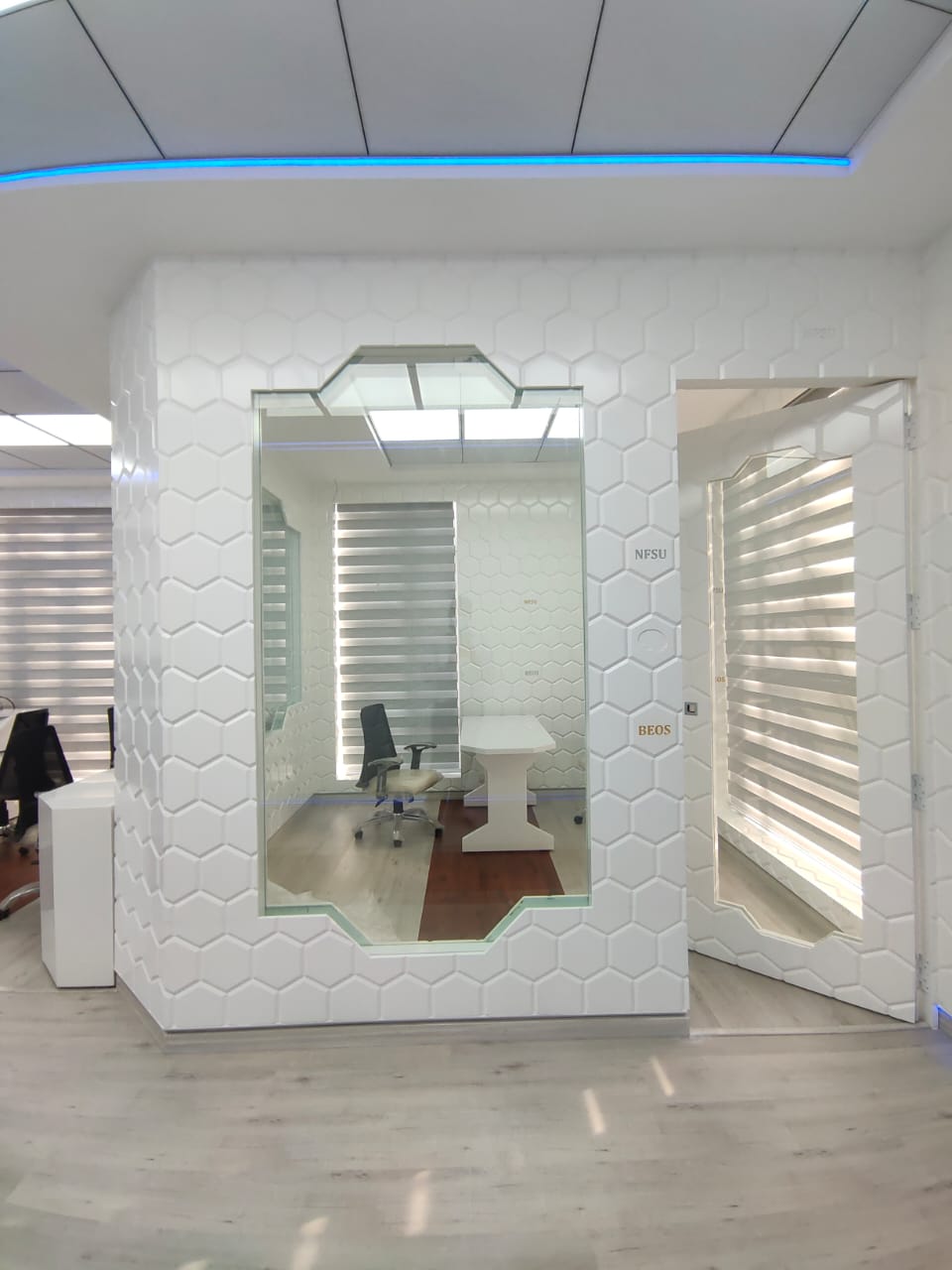
A quiet room, built for attention.
No stray noise, no distraction, calm ambient lighting. The subject settles; the examiner follows the session from the console next door.
07 · FBIC and BEOS · Together
Two tests, one investigation.
FBIC maps who and what a suspect recognises. BEOS establishes whether they remember taking part. Each can run alone; together they cover a case end to end.
| FBIC | BEOS | |
|---|---|---|
| Purpose | Image familiarity | Memory of participation |
| Stimulus | Images, visual words | First-person audio narrative |
| Response | Keypress on every image | None · silent |
| Needs | Pictures of people, places, objects | Case narrative and hypothesis |
| Duration | About 30 min | Under 1 h |